
When you see two LED masks sitting side by side, it can be difficult to tell the difference between the two when they list similar wavelengths and promise similar benefits. This is especially true when one costs a fraction of the other. It leads most of us to question what we’re actually paying for and rightfully so.
Usually, when this is the case, the answer is not just the wavelength list. You are paying for the design: how the mask fits, how the LEDs are distributed, how strong the output is, and how consistently the light reaches the skin. With this in mind, today’s blog post looks beyond wavelengths to the physical engineering of a mask and why the number of light points, the output, and the way light is delivered determine how much of it ever reaches your skin.
That’s right, we’re looking at LED density vs output and why mask design shapes your results.

Why Two LED Masks Can Use the Same Light and Perform Differently
It's entirely possible for two masks to share a similar wavelength chart yet yield very different results. This is because the wavelength is only half the story, and the other half is how evenly and how strongly that light hits your skin.
Since this is confusing, let's demystify the science. To do this, you can think of LED masks as showerheads. If you have two showerheads, it's likely that both can run at the same flow rate, but one might offer a wider spray that evenly rinses you, while the other offers only a trickle from a single jet that does a poor job of rinsing you off.
With LED masks, that “spray pattern” is the way LEDs are arranged across the mask, and the “water pressure” is the strength of the light reaching your skin. So, given this reality, even if two masks use the same wavelengths, the one with better coverage, closer fit, and well-distributed output is more likely to give your skin consistent exposure across the treatment area.
Output vs Density, and Why You Need Both

To understand why your LED mask needs the right balance of output vs. density, and why you need both, you first need to know the difference between the two concepts. To put it simply, output and density are two design factors that turn wavelengths into actual skin exposure.
Output refers to the amount of light energy an LED mask delivers. Density refers to the number of light points and their spacing across the treatment area. Fit and distance matter too, because the light still has to reach curved skin evenly.
You need these factors to work together because LED therapy is dose-dependent. In photobiomodulation research, too little light may not produce much of a response, while too much exposure may be less useful. That is why wavelength, output, exposure time, distance, and consistency all matter.
For example, high output with too few light points can leave areas of your skin under-treated. In addition, a dense layout with weak output can fail to deliver enough energy. That’s why a good LED mask needs enough power and enough coverage to treat the face consistently.
The Problem With Rigid Panels and Distance
Output and density matter most when the light is delivered at a consistent distance from the skin. Because a flat, rigid panel held a few inches from your face cannot follow its curves, your nose and brow may sit closer to the light than your cheeks or jaw. This can create an uneven distribution of light across the treatment area.
In addition, when light is too far from the skin, it weakens. So even a small gap means that some areas may receive more exposure while others receive less. The result can be patchy treatment, even when the panel itself is powerful.
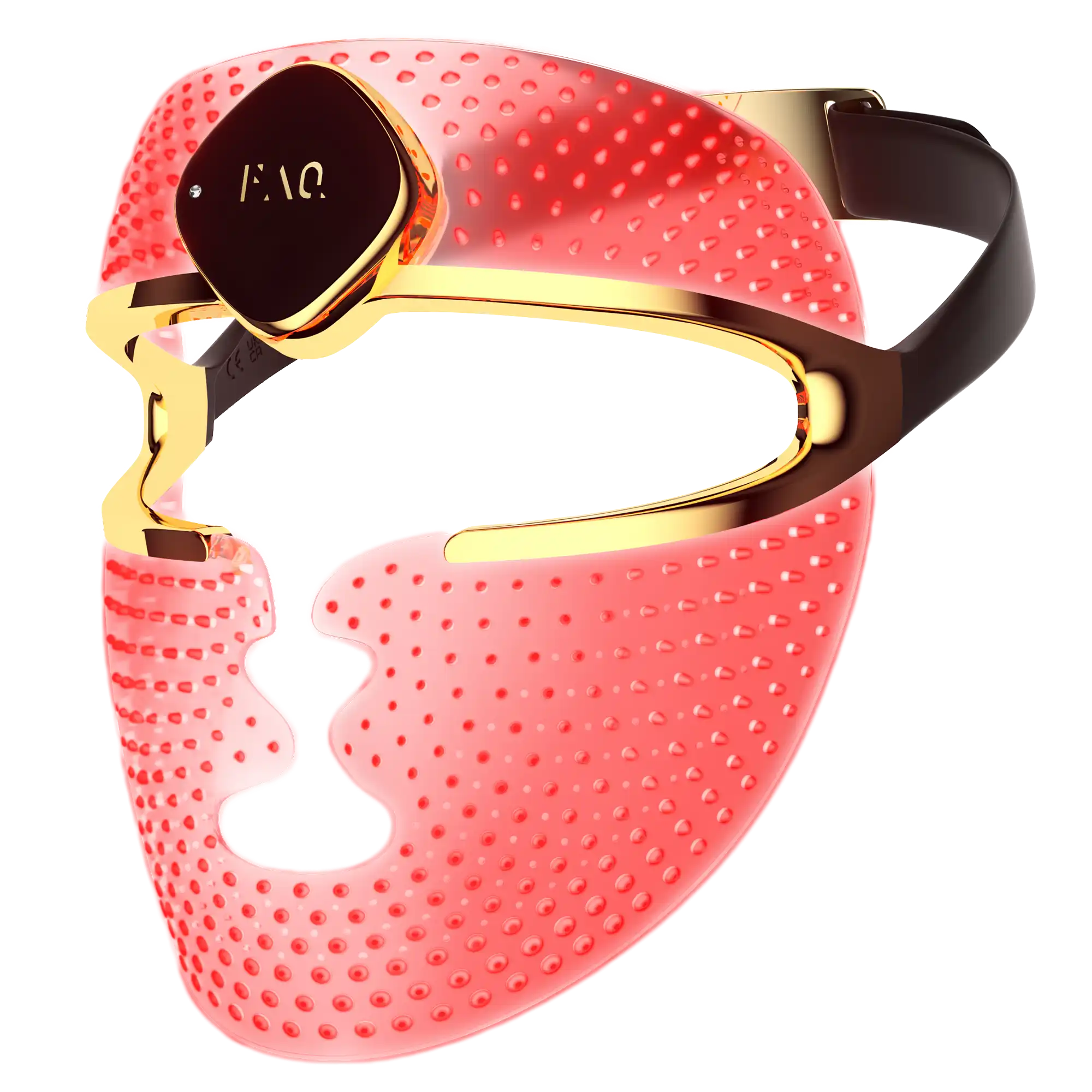
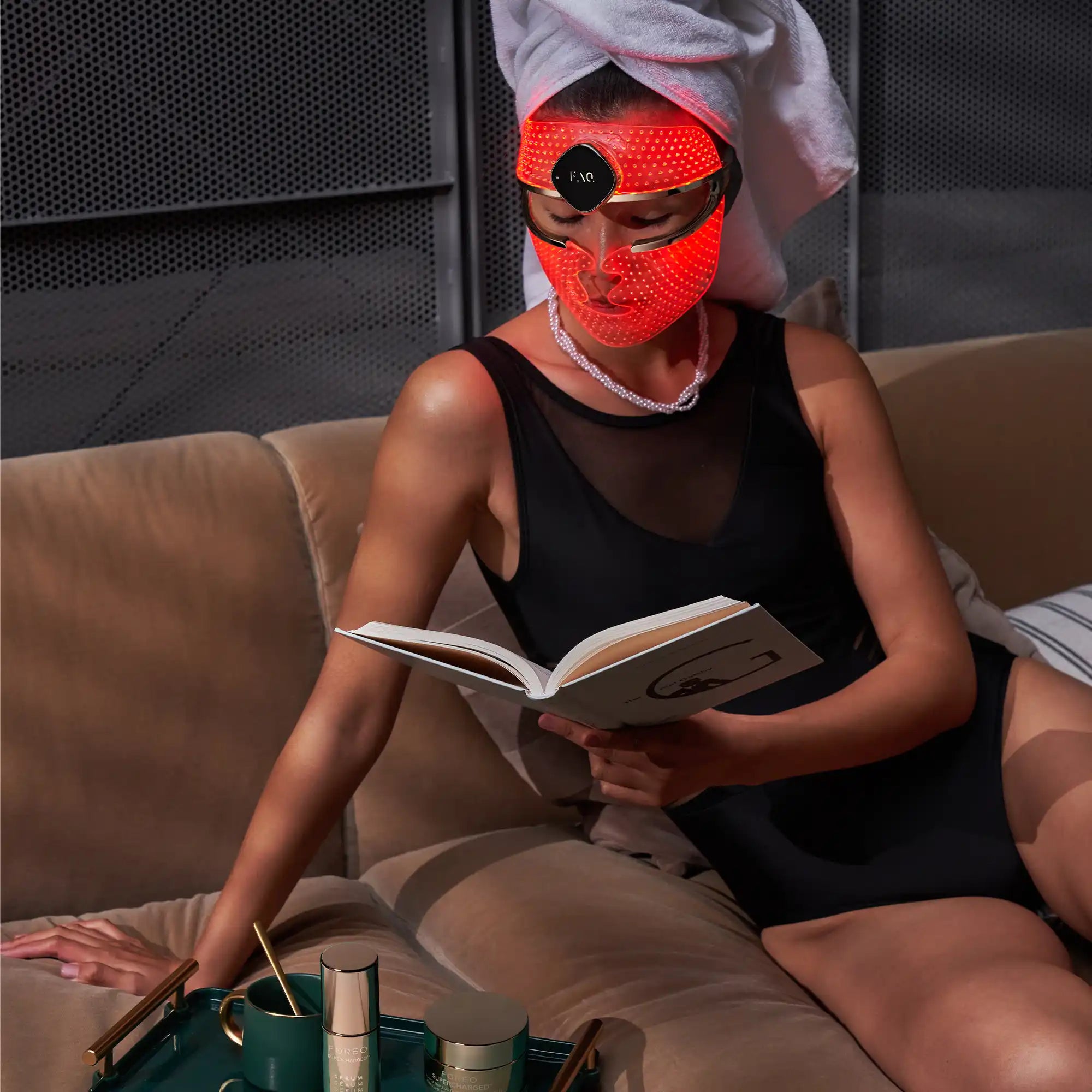
This is one reason fit matters. For a flexible silicone mask like FOREO’s FAQ line, a close, contoured fit helps reduce uneven distance from the skin and keeps the light spread more consistently across the area being treated.

How Light Points, Pulse Rate, and Fit Work Together
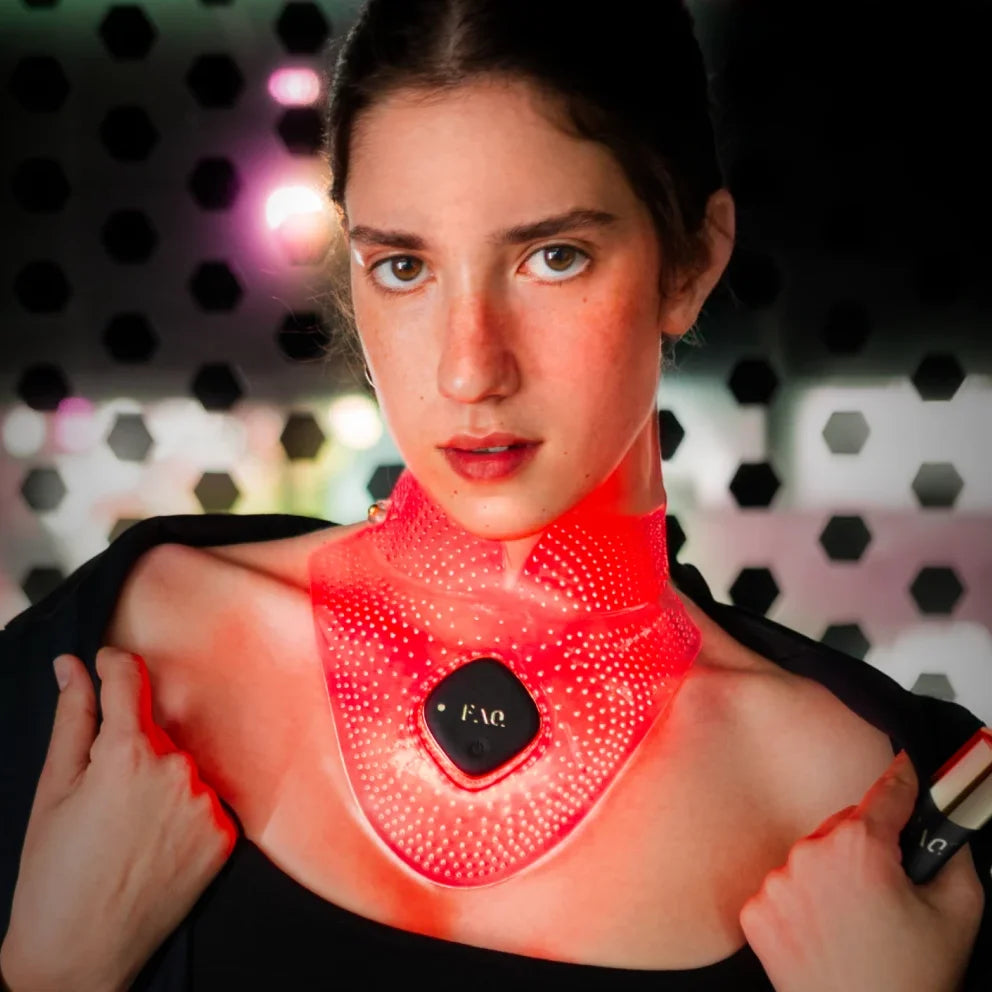
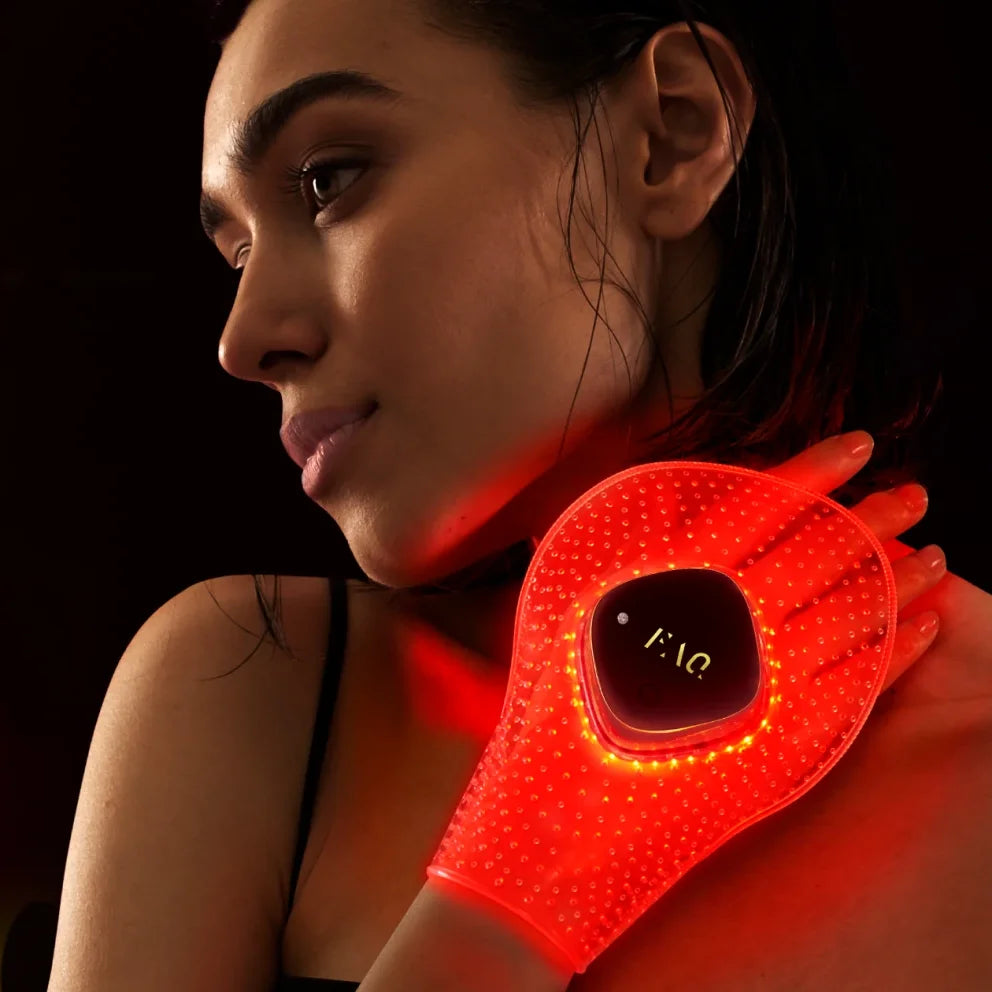
A mask should sit close and evenly against the treatment area if you want the light to reach the skin consistently. Although not all LED devices are designed this way, FOREO’s FAQ masks use flexi-fit silicone that molds closely to the face, neck, décolleté, or hands, depending on the model.
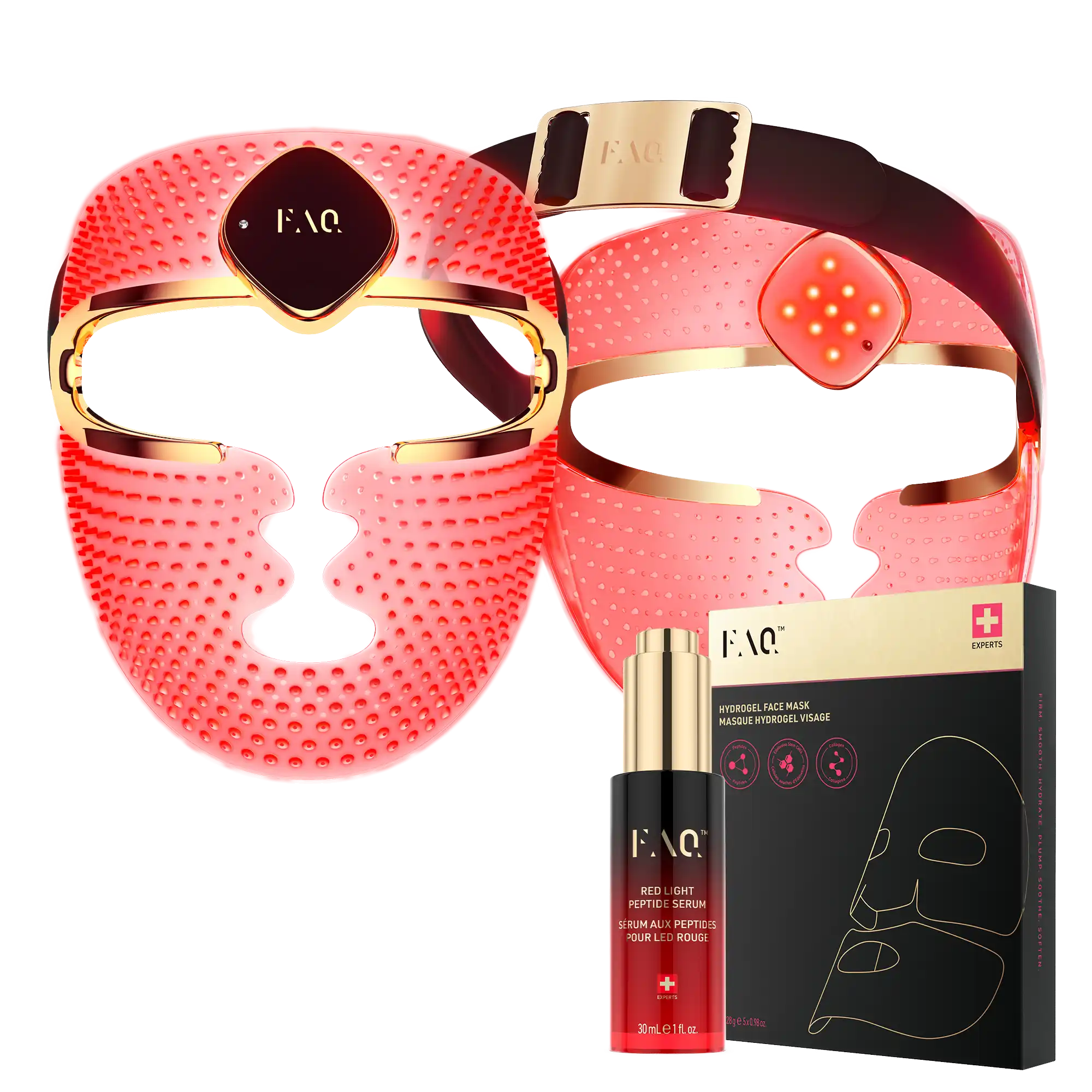
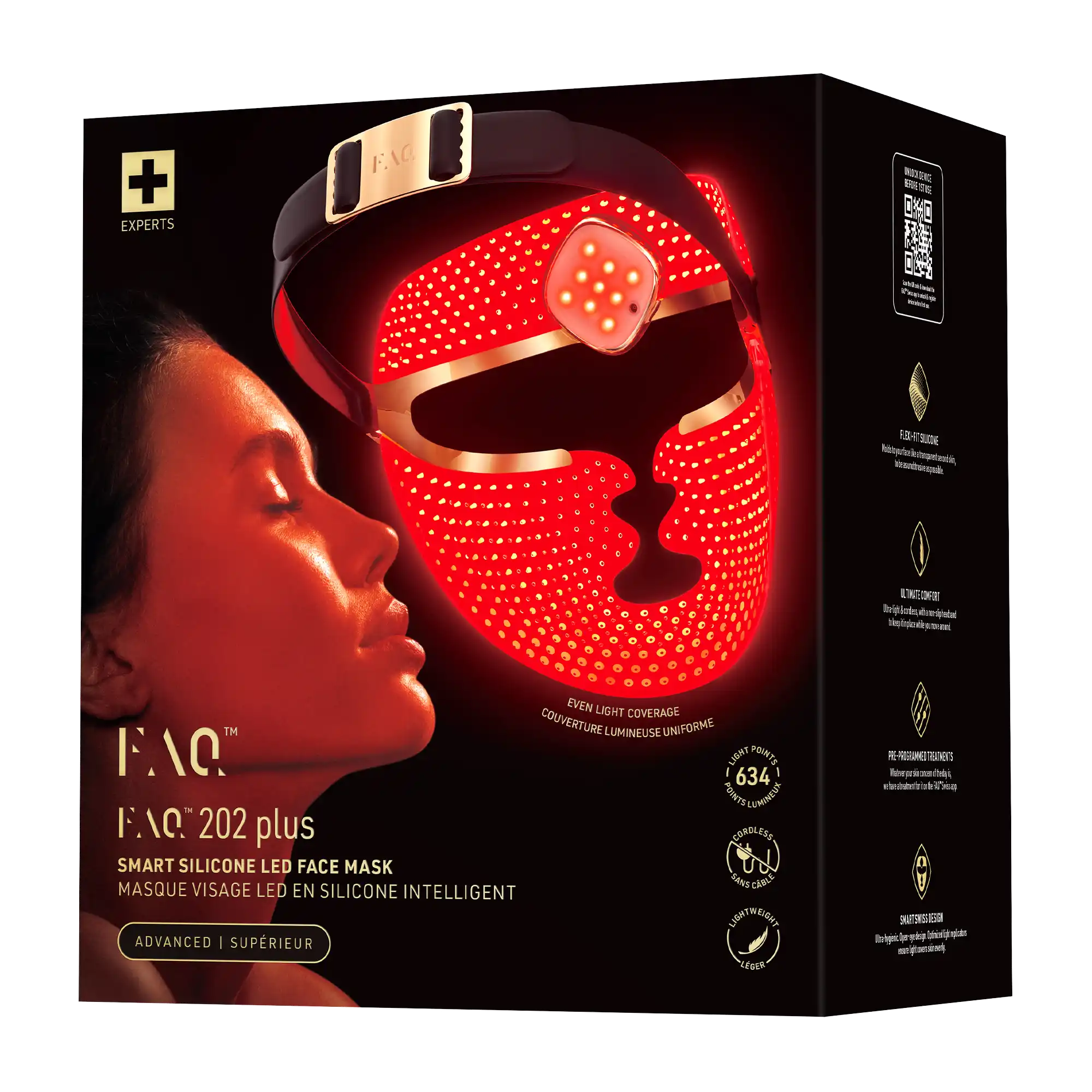
The exact layout changes by device. The FAQ 202 uses 600 points of light pulsing 3000 times per second, optimized to spread LED wavelengths evenly across the face. The FAQ 202 plus builds on that design with 634 LED light points, additional forehead LEDs, and 50% higher light intensity.
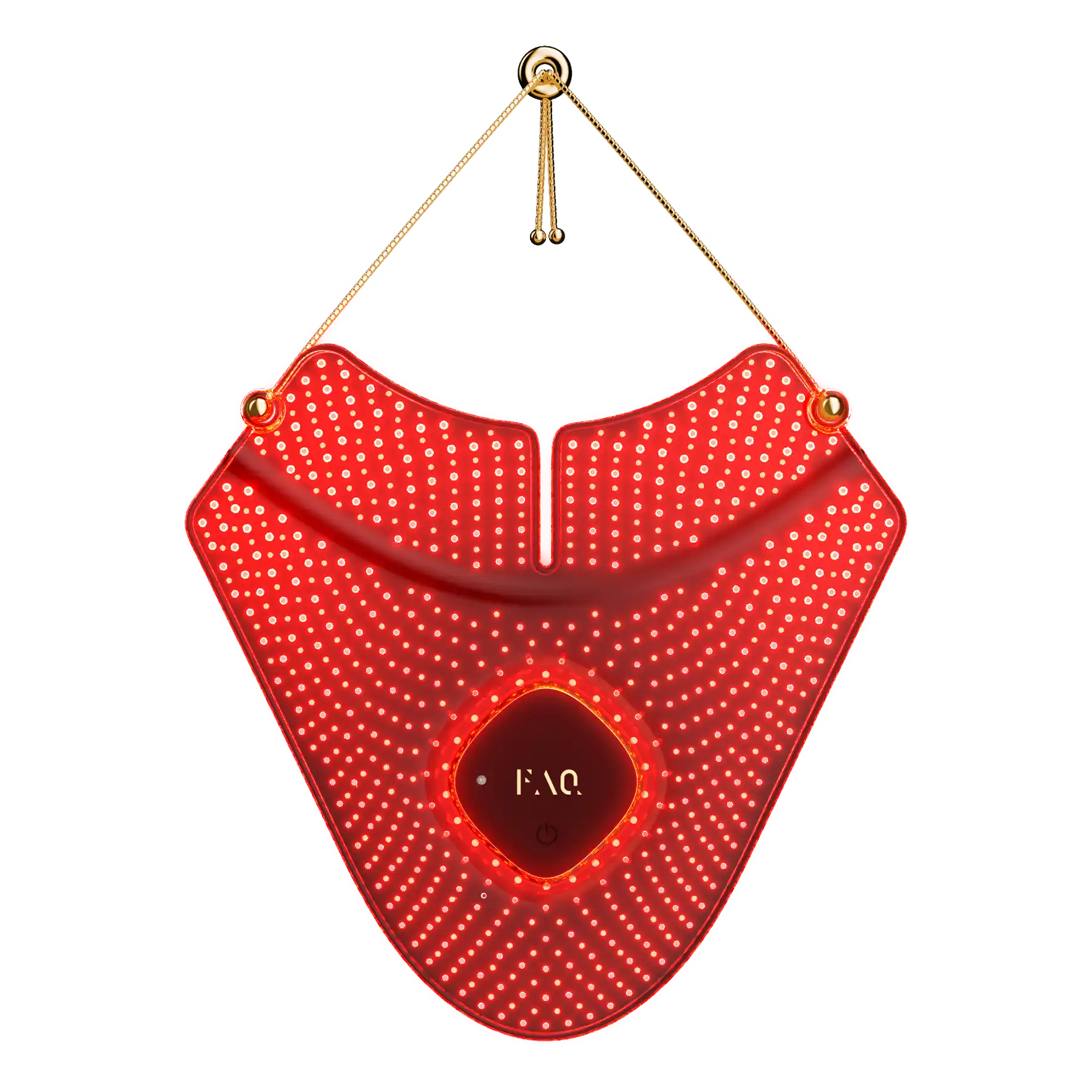
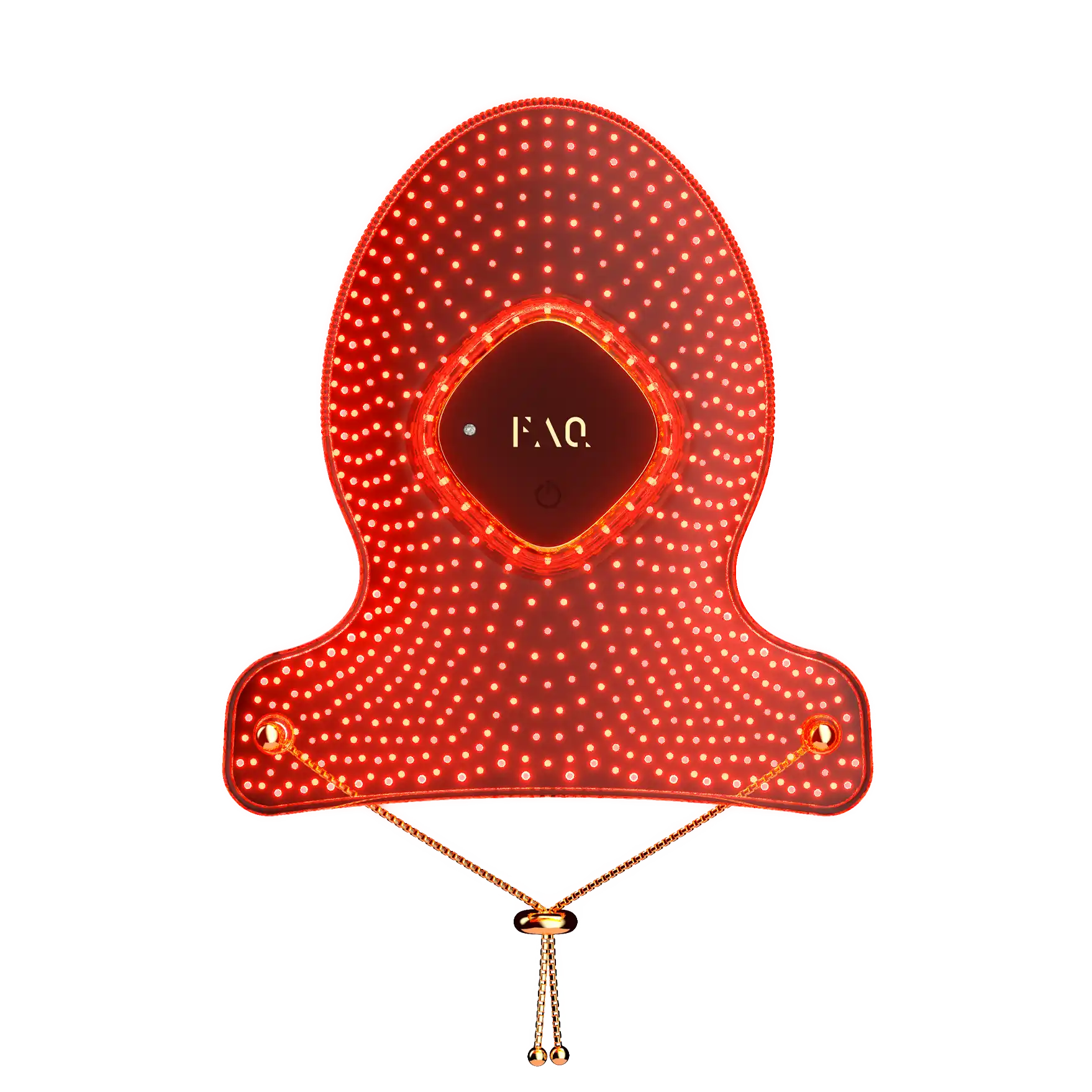
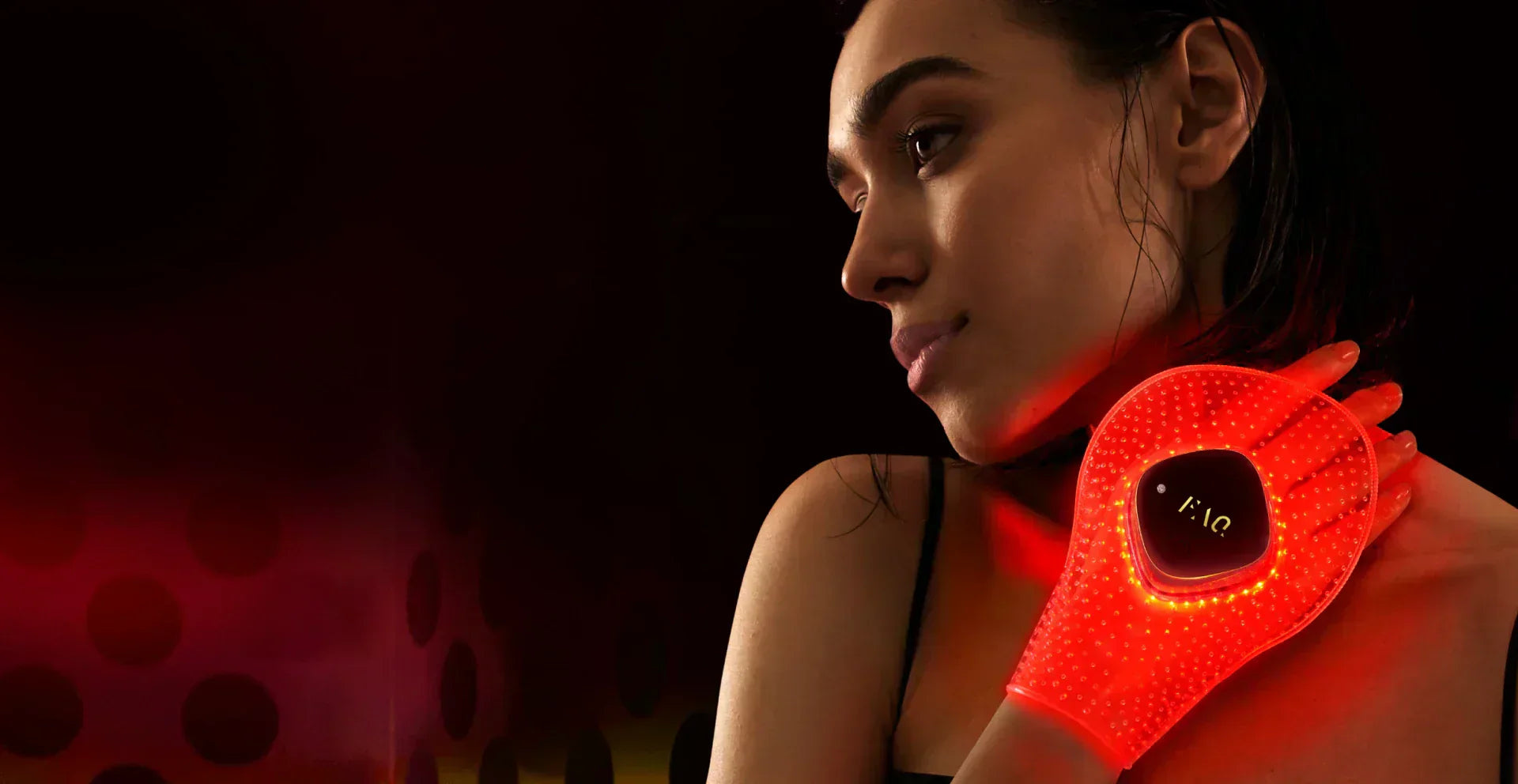
The same idea carries beyond the face. The FAQ 211 uses 761 optimized points of light for the neck and décolleté, while the FAQ 221 uses 623 optimized points for the backs of the hands.
That is the real point of density and design. It is not just about having a long wavelength list. It is about whether the device can deliver those wavelengths evenly across the actual area you want to treat.
Why This Matters When Comparing FAQ 202 and FAQ 202 Plus
This is especially useful when comparing the FAQ 202 and FAQ 202 plus. The difference is not that one has red and near-infrared light and the other does not. Both are full-spectrum LED face masks with eight wavelengths.
The difference is in the upgraded design. FAQ 202 is the core full-spectrum face mask, with 600 optimized points of light for the face. FAQ 202 plus adds more LED points, extra forehead coverage, and higher light intensity. That makes it a better fit for someone who wants the most advanced face-mask option in the FAQ line, especially if forehead lines and upper-face coverage are a priority.
So, if you are choosing between the two, the question is not only “which wavelengths does it have?” The better question is: how much coverage, intensity, and targeted design do you want from your face mask?
Key Takeaways on LED Density vs Output
Although wavelengths are important, density, output, fit, and even delivery decide how much of that light your skin actually receives. That is why two masks with the same color chart can perform differently. Hopefully, you now understand what to look for when looking into mask design.
At ZenHaus Luxe, we pay attention to the engineering, not only the spec sheet, before we stock anything. We only carry what we would use ourselves, so the design always has to earn its place. You can see the masks we trust in our Better Skin collection or browse the rest of our range in our full lineup.